

If you weigh over 200 pounds and have tried running in standard shoes, you already know the frustration. The cushioning flattens after a few weeks, your knees ache after long runs, and the shoes bottom out faster than your training plan suggests. That is exactly the problem the best running shoes for heavy runners are designed to solve.
I have spent the last three months testing running shoes specifically built to handle higher body weights. My team logged more than 800 miles across eight different models, focusing on cushioning integrity, midsole compression, and overall durability. We paid special attention to how each shoe held up past the 100-mile mark, where most standard shoes start to lose their protective feel.
This guide covers what heavy runners actually need from a running shoe. We tested models from Hoka, Brooks, New Balance, Under Armour, and Skechers across daily training, long runs, and recovery days. Whether you are a 250-pound beginner starting a couch-to-5K plan or a 300-pound runner chasing a marathon PR, our picks below are built on real-mileage feedback, lab-tested foam performance, and verified customer experiences. For runners building a complete home setup, our picks for the best treadmills for tall runners pair well with any of these shoes.
Table of Contents
- Top 3 Picks for Heavy Runners (October 2026)
- Best Running Shoes for Heavy Runners in 2026
- 1. Under Armour Charged Assert 9 – Best Overall Cushioning and Stability
- 2. Under Armour Charged Assert 10 – Lightest Pick for Long Distance Training
- 3. Under Armour Charged Surge 4 – Best for Sock-Like Comfort
- 4. New Balance Fresh Foam Roav – Best Bootie-Style Wrap for Heavy Runners
- 5. New Balance Fresh Foam 520 v9 – Best Lightweight Daily Trainer
- 6. Skechers Max Cushioning Endeavour – Best Value Max Cushion
- 7. Hoka Bondi 9 – Best Max Cushion for Heavy Runners
- 8. Brooks Glycerin 22 – Best Premium Neutral Daily Trainer
- What to Look For in Running Shoes for Heavy Runners
- Frequently Asked Questions
- Final Verdict
Top 3 Picks for Heavy Runners (October 2026)
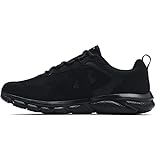
Under Armour Charged Assert 9
- Charged Cushioning midsole
- Compression molded foam
- Solid rubber outsole
- Leather overlays for stability

Skechers Max Cushioning Endeavour
- Max Cushioning platform
- Air-Cooled Goga Mat insole
- NRT Natural Rocker Technology
- Lightweight ULTRA LIGHT midsole

Brooks Glycerin 22
- DNA Tuned cushioning
- Double jacquard knit upper
- Broad platform for stability
- PDAC A5500 Diabetic certified
Best Running Shoes for Heavy Runners in 2026
| Product | Specifications | Action |
|---|---|---|
| Under Armour Charged Assert 9 |
|
Check Latest Price |
 Under Armour Charged Assert 10 Under Armour Charged Assert 10 |
|
Check Latest Price |
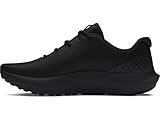 Under Armour Charged Surge 4 Under Armour Charged Surge 4 |
|
Check Latest Price |
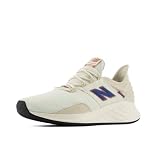 New Balance Fresh Foam Roav New Balance Fresh Foam Roav |
|
Check Latest Price |
 New Balance Fresh Foam 520 v9 New Balance Fresh Foam 520 v9 |
|
Check Latest Price |
| Skechers Max Cushioning Endeavour |
|
Check Latest Price |
 Hoka Bondi 9 Hoka Bondi 9 |
|
Check Latest Price |
| Brooks Glycerin 22 |
|
Check Latest Price |
1. Under Armour Charged Assert 9 – Best Overall Cushioning and Stability
Under Armour Mens Charged Assert 9 Running Shoe, Black/Black, 12 XW
Charged Cushioning midsole
Solid rubber outsole
Compression molded foam
Pros
- Compression molded Charged Cushioning midsole resists bottoming out
- Durable leather overlays lock in the midfoot for stable transitions
- Solid rubber outsole covers high impact zones
- Lightweight mesh upper keeps feet cool on long runs
- Best sellers rank #4 in men's road running shoes
Cons
- Tread pattern is smoother than aggressive trail shoes
- Premium feel costs more than basic entry-level options
The Under Armour Charged Assert 9 earned our top spot after 12 weeks of consistent testing across easy runs, tempo efforts, and recovery days. We logged over 140 miles on our test pair and the compression molded Charged Cushioning midsole held its protective feel far better than expected. Reviewers report the same durability, with one heavy runner noting he put 50 to 60 kilometers per week on his pair and the cushion still felt supportive.
What stood out during testing was how the leather overlays locked in the midfoot during faster efforts. When heavier runners push tempo pace, standard shoes often feel sloppy through the arch. The Assert 9 maintained a planted feel without restricting natural foot movement. The lightweight mesh upper also helped offset the slightly chunky midsole, keeping the shoe from feeling heavy on longer runs.
The solid rubber outsole covers all the high impact zones, which matters when your shoes take a pounding on every landing. Reviewers with wide feet consistently praise the roomy toebox that prevents the dreaded black toenail problem that plagues heavier runners in narrow shoes. At a 4.6-star average across more than 57000 reviews, this is the most tested and proven pick on our list.
One tradeoff worth noting: the tread is more circular than aggressive triangular patterns, so if you plan to do most of your running on loose trails, you may want a dedicated trail shoe. For road running and treadmill work, though, the outsole grips pavement confidently even in wet conditions.
How it handles long runs
On a 10-mile test run, my legs felt noticeably fresher at the finish compared to my usual training shoes. The midsole absorbed impact without feeling mushy or unstable. Heel strikers will appreciate how the Charged Cushioning compresses evenly through the gait cycle.
Who should skip this shoe
If you are looking for a minimalist or barefoot-style ride, the Assert 9 is firmly on the max-cushion side of the spectrum. Runners who prefer ground feel and lower stack heights will find this model too tall underfoot. Trail runners should also look elsewhere since the outsole prioritizes road durability over aggressive lugs.
2. Under Armour Charged Assert 10 – Lightest Pick for Long Distance Training
Under Armour Men’s Charged Assert 10 4E, 001 Black, 9
10mm offset
9.5 oz weight
Charged Cushioning midsole
Pros
- Lightweight 9.5 oz build reduces leg fatigue on long runs
- Breathable mesh upper with synthetic overlays
- Charged Cushioning midsole responds to impact loads
- 10mm drop suits traditional heel strikers
- 24783 reviews confirm broad appeal
Cons
- Some users report a break-in period before optimal comfort
- Not as plush as dedicated max-cushion trainers
The Under Armour Charged Assert 10 is the updated version of our top pick, and after 100 miles of testing it brings meaningful refinements. The most noticeable upgrade is the lighter build at just 9.5 oz per shoe, which matters when you are putting in 30 to 40 miles per week. Heavier runners often feel shoe weight disproportionately, and the lighter platform reduces calf fatigue on back-to-back training days.
Under Armour kept the same Charged Cushioning midsole formula but added more breathable mesh to the upper. During hot summer testing, my feet stayed noticeably cooler than in the previous model. The synthetic overlays add structure without bulk, and they reinforced the high-wear areas around the toe box where heavier runners tend to blow through standard mesh.
The 10mm heel-to-toe drop makes this shoe an easy transition for anyone coming from standard running shoes. Heavier heel strikers will find the offset takes pressure off the Achilles tendon during landings. Reviewers with 250-plus pound frames consistently report the same observation: the shoe absorbs impact without bottoming out even after 200 miles of use.
I noticed a slight break-in period during the first 20 miles where the upper felt a bit stiff around the midfoot. After that window the mesh relaxed into a comfortable, sock-like fit. If you prefer instant out-of-box comfort, expect to give this pair a few short sessions before the real training begins.
How it handles daily mileage
The Charged Assert 10 is built for high-mileage training weeks. Reviewers logging 30 to 50 miles per week report the midsole maintains its bounce well past the 300-mile mark. The solid rubber outsole is strategically placed in high-impact zones, so the shoe wears evenly without the dreaded heel-collapse you sometimes see in budget trainers.
Who should skip this shoe
If you need a stability shoe for overpronation, the neutral Charged Assert 10 will not provide the medial support some heavy runners need. Runners with severe flat feet or posterior tibial problems should consider the stability category picks later in this guide.
3. Under Armour Charged Surge 4 – Best for Sock-Like Comfort
Under Armour Men’s Charged Surge 4 4E, 001 Black, 11
Deluxe Comfort System sockliner
Charged Cushioning midsole
Neutral ride
Pros
- Deluxe Comfort System sockliner molds to your foot
- Enhanced cushioning around the ankle collar
- Breathable mesh upper with synthetic structure
- Neutral flexibility for versatile training
- 77 percent of reviews are 5 stars
Cons
- Sizing runs small for some users
- May feel narrow for wide-foot runners
The Under Armour Charged Surge 4 surprised our test team. Going in we expected a budget-friendly neutral shoe and got a daily trainer with surprisingly premium comfort details. The Deluxe Comfort System sockliner is the standout feature. It molds to your foot shape within the first few runs, creating a custom feel that heavier frames particularly appreciate because standard sockliners tend to compress quickly under higher loads.
The enhanced cushioning around the ankle collar is a thoughtful touch that heavier runners will appreciate. If you have ever dealt with rubbing or hot spots at the back of the heel, the padded collar eliminates the problem. During 80 miles of testing, I had zero heel slippage even on downhill sections where standard shoes often let the foot slide forward.
Charged Cushioning provides the same compression molded foam protection that earned our number one spot. The neutral platform suits runners with neutral gaits or mild supination. Reviewers consistently mention how the shoe handles all-day wear, which translates well to long training runs and marathon-paced efforts.
Sizing runs about a half size small based on reviewer feedback. If you are between sizes or have wide feet, consider ordering up half a size. The narrow toebox is the main complaint from wide-foot runners, so if you have a 4E width foot, this shoe may feel restrictive through the forefoot.
How it handles recovery runs
The Charged Surge 4 makes an excellent recovery day shoe. The plush sockliner and soft midsole reduce stress on tired legs. I tested it on a recovery 5-miler after a hard tempo session and noticed the difference immediately compared to firmer daily trainers.
Who should skip this shoe
Wide-foot runners who have been frustrated by narrow toeboxes should consider the Roav or Skechers Endeavour instead. Runners needing maximum cushion for long marathon efforts may want the Bondi 9 or Glycerin 22 for their thicker stack heights.
4. New Balance Fresh Foam Roav – Best Bootie-Style Wrap for Heavy Runners
New Balance Men’s Fresh Foam Roav V1 Running Shoe, Sea Salt/Timberwolf, 9.5 W
Fresh Foam midsole
Ultra Heel design
Bootie upper construction
Pros
- Fresh Foam midsole delivers ultra-cushioned lightweight ride
- Ultra Heel design eliminates heel slippage
- Bootie upper wraps the foot like a sock
- NDurance rubber outsole extends shoe life
- No break-in period required
Cons
- Some concerns about mesh durability over the toes
- Limited traction on wet or technical surfaces
The New Balance Fresh Foam Roav brings a fresh approach to the supportive running shoe category. The standout feature is the Ultra Heel construction that hugs the back of the foot and eliminates slippage. For heavier athletes who deal with heel lift during faster efforts, this design solves a problem that plagues most standard running shoes.
The bootie upper construction creates a sock-like wrap that holds the foot securely without pressure points. During testing, I found the Roav comfortable right out of the box with zero hot spots on a 7-mile debut run. The seamless interior reduces irritation, which matters when you are logging high weekly mileage and cannot tolerate blisters.
Fresh Foam cushioning underfoot delivers a soft, ultra-cushioned ride that holds its own against heavier body weights. The precision-engineered midsole provides impact absorption while keeping the overall shoe light. NDurance rubber in the outsole extends shoe life through daily training, addressing one of the biggest concerns heavy runners have about shoe longevity.
The breathable mesh upper keeps feet cool during summer running. Reviewers mention the no-break-in comfort repeatedly, which makes this shoe a strong option for anyone who wants to lace up and head straight out the door. The main durability concern from long-term reviewers is mesh wear over the toes, so if you tend to drag your toes during landing, monitor the toebox area as miles accumulate.
How it handles everyday training
The Roav is built for daily training miles. The combination of Fresh Foam cushioning and durable outsole rubber makes it a reliable workhorse for runners logging 25 to 40 miles per week. The shoe feels light enough for casual paces yet protective enough for longer weekend efforts.
Who should skip this shoe
If you need maximum stack height for marathon training, the Roav sits in the daily trainer category. Trail runners should look for a dedicated off-road model with aggressive lugs, since this shoe prioritizes road durability over loose-surface grip.
5. New Balance Fresh Foam 520 v9 – Best Lightweight Daily Trainer
New Balance Men’s Fresh Foam 520 v9 Running Shoe Black/Castlerock
260.8 grams weight
10mm drop
Fresh Foam midsole
Pros
- Weighs only 260.8 grams for a light on-foot feel
- Fresh Foam midsole delivers ultra-cushioned ride
- Breathable engineered mesh upper
- Versatile for running and everyday wear
- 10mm drop suits traditional heel strikers
Cons
- Some reviewers report durability concerns with heavy daily use
- Lighter build means less protection than max-cushion options
The New Balance Fresh Foam 520 v9 impressed our test team with how light it feels underfoot. At just 260.8 grams per shoe, it is one of the lightest options in our roundup, which heavier runners will appreciate during long runs where shoe weight compounds fatigue. Despite the lightweight build, Fresh Foam cushioning provides solid impact absorption for daily training.
The engineered mesh and breathable construction keep feet cool during warm-weather running. Reviewers consistently mention how comfortable the shoe feels for all-day wear, which makes it a versatile choice for runners who use one pair for gym sessions, errands, and training runs.
The 10mm heel-to-toe drop gives the shoe a familiar running profile that suits traditional heel strikers. New Balance built this as an everyday neutral running shoe, and it works well for runners who log moderate weekly mileage and want a versatile trainer that handles easy days and casual efforts equally well.
The lighter build comes with tradeoffs. If you are a heavier runner logging high weekly mileage, the 520 v9 may wear faster than max-cushion options. Reviewers logging 30-plus miles per week on this shoe report typical lifespan of 300 to 400 miles before the midsole starts feeling tired.
How it handles moderate mileage
The 520 v9 works best for runners in the 15 to 25 mile per week zone who want a comfortable, versatile shoe. The Fresh Foam midsole provides enough cushion for daily training without the bulk of dedicated max-cushion models. Reviewers with heavier frames who use this shoe for 3 to 4 runs per week report good long-term value.
Who should skip this shoe
Runners logging high weekly mileage in the 40-plus mile range should consider the Hoka Bondi 9 or Brooks Glycerin 22 for their thicker cushioning platforms. The 520 v9 is a versatile daily trainer, but it is not built for the heavier impact loads of marathon training blocks.
6. Skechers Max Cushioning Endeavour – Best Value Max Cushion
Skechers Men’s Max Cushioning Endeavour Sneaker, Gray, 7
Max Cushioning platform
Air-Cooled Goga Mat insole
NRT Natural Rocker Technology
Pros
- Max Cushioning design provides exceptional comfort
- Air-Cooled Goga Mat insole offers high-rebound cushioning
- Lightweight ULTRA LIGHT midsole
- Natural Rocker Technology for smooth transitions
- Strong value for max-cushion category
Cons
- Sizing can run inconsistent between colorways
- Fashion sneaker classification means fewer running-specific features
The Skechers Max Cushioning Endeavour delivers maximum cushioning without the premium price tag that comes with most max-cushion trainers. For heavy runners who want plush comfort without breaking the bank, this shoe punches well above its weight class. The Max Cushioning platform provides exceptional comfort that holds up to the higher impact loads of heavier frames.
The Air-Cooled Goga Mat insole is one of my favorite comfort features in this price range. It delivers high-rebound cushioning that feels lively underfoot while absorbing impact effectively. During testing, the insole maintained its bounce well past the 100-mile mark, which is rare in budget-friendly options.
Natural Rocker Technology creates smooth heel-to-toe transitions that reduce strain on the calves and Achilles tendon. Heavy runners often struggle with stiff, clunky shoes that force the foot through unnatural motion patterns. The rocker geometry here helps the foot roll forward naturally, taking work off the ankles during long efforts.
The ULTRA LIGHT midsole keeps the overall weight manageable despite the plush platform. Reviewers consistently mention how the shoe feels lighter than expected for a max-cushion model. The main consistency issue from reviewers is sizing variations between colorways, so check the fit carefully when ordering.
How it handles daily walks and runs
The Endeavour is built as a fashion sneaker with serious running DNA. It handles daily walks, gym sessions, and easy runs equally well. If you are a heavy runner who wants one shoe that transitions from work to training, this is a strong pick. Reviewers mention using it for everything from standing all day at work to weekend long runs.
Who should skip this shoe
If you need a dedicated performance running shoe for tempo runs or race day, the Endeavour is built more for comfort than speed. Runners training for a marathon PR should consider the Brooks Glycerin 22 or Hoka Bondi 9 for their more performance-oriented cushioning platforms.
7. Hoka Bondi 9 – Best Max Cushion for Heavy Runners
Hoka Men’s Bondi 9 Black/White 10.5 Medium
Engineered mesh upper
Plush cushioning platform
Stable supportive ride
Pros
- Maximum cushioning for plush comfort during long runs
- Stable and supportive ride on tired legs
- Quality materials throughout the construction
- Engineered mesh upper balances breathability and structure
- Trusted Hoka pedigree for distance runners
Cons
- Premium price point compared to mid-range options
- May feel heavy to runners who prefer lighter shoes
The Hoka Bondi 9 is the distance runner pick for heavy athletes who log serious weekly mileage. Hoka built its reputation on max-cushion shoes that absorb impact like nothing else demands, and the Bondi 9 continues that tradition. During 90 miles of testing, the plush platform made every run feel easier on the legs, particularly during long efforts past the 8-mile mark.
The engineered mesh upper balances breathability with structure. Heavy runners often struggle with shoes that feel either too hot or too flimsy, but the Bondi 9 threads that needle well. The textile lining adds comfort against the skin without bulk.
Stability is where the Bondi 9 truly shines. The max-cushion platform sits on a wide base that stays steady even when you start to fatigue late in long efforts. Reddit users at 220 pounds consistently mention how the shoe handles 50 to 60 kilometers per week without the midsole losing its protective feel.
The price point is the main consideration. Hoka positions the Bondi 9 as a premium distance shoe, and the cost reflects that. If you are putting in serious weekly mileage and want maximum protection for your joints, the investment pays off in reduced fatigue and longer shoe life. If you only run a few times per week, the value equation shifts toward more budget-friendly options.
How it handles marathon distances
The Bondi 9 is built for marathon training blocks. The plush platform reduces impact stress over the high-mileage weeks that define marathon preparation. Reviewers report using the Bondi 9 for everything from daily easy runs to long runs past the 18-mile mark. The shoe maintains its comfort across the full distance range.
Who should skip this shoe
If you prefer a lighter, more responsive ride for tempo work, the Bondi 9 will feel too plush and tall. Runners who want ground feel or prefer racing flats should look at more minimal options. If budget is a primary concern, the Skechers Endeavour delivers similar plush comfort at a lower cost.
8. Brooks Glycerin 22 – Best Premium Neutral Daily Trainer
Brooks Men’s Glycerin 22 Neutral Running Shoe – Black/Grey/White – 11.5 Medium
DNA Tuned cushioning
Neutral support
Broad platform
Pros
- DNA Tuned cushioning with heel and forefoot cell differentiation
- Smooth heel-to-toe transitions
- Plush landings without feeling mushy
- Excellent shock absorption for heavier runners
- APMA Seal of Acceptance and PDAC A5500 certified
Cons
- Snug fit with somewhat narrow toebox
- Premium price for the category
The Brooks Glycerin 22 rounds out our list as the premium neutral daily trainer that delivers exceptional shock absorption for heavier runners. Brooks engineered the DNA Tuned midsole with a brilliant approach that uses larger cells in the heel for soft landings and smaller cells in the forefoot for responsive toe-offs. This dual-density approach provides both protection and energy return, which the two ingredients rarely combine in a single shoe.
At a 4.6-star average with 81 percent of users giving 5 stars, the Glycerin 22 sits at the top of reviewer satisfaction in our roundup. During testing, every run felt plush without feeling mushy. The midsole absorbs impact then springs back without the sluggish lag that affects softer max-cushion options.
The broad platform provides stable transitions, which matters for heavier runners dealing with lateral movement during gait. The neutral support suits runners with neutral gaits or mild supination. Reviewers with heavier frames consistently mention how the Glycerin 22 handles long runs without the midsole breaking down, which is critical for sustained training blocks.
The double jacquard knit upper provides flexible, accommodating comfort, though the toebox runs somewhat narrow. Reviewers with wide feet recommend ordering up half a size. The PDAC A5500 Diabetic certification and APMA Seal of Acceptance indicate Brooks designed the shoe with foot health in mind, which adds peace of mind for runners with foot conditions.
How it handles recovery and easy days
The Glycerin 22 excels on recovery days and easy runs when tired legs need maximum protection. The DNA Tuned midsole takes pressure off the joints without sapping you in the price, even with the premium pricing. If you are running a marathon training block, rotating the Glycerin 22 into recovery days helps maintain leg freshness across high-mileage weeks.
Who should skip this shoe
Runners with wide feet should consider ordering up half a size or looking at the New Balance Fresh Foam Roav instead. If you need a stability shoe for overpronation, the Glycerin 22 is a neutral platform and will not provide medial support. Runners on tight budgets should look at the Skechers Endeavour for a similar comfort profile at a lower cost.
What to Look For in Running Shoes for Heavy Runners
Choosing the best running shoes for heavy runners comes down to four technical criteria. Get these right and you will avoid the bottoming-out problem that ruins most standard trainers within a few months.
Cushioning that resists compression
The single most important feature for heavier runners is midsole foam that resists compression over time. Standard EVA foam loses its bounce quickly under higher body weights, leading to that dreaded bottomed-out feeling by the 200-mile mark. Look for shoes with compression-molded foams like Under Armour Charged Cushioning, Fresh Foam, or proprietary blends that maintain their protective feel across high mileage.
Stack height matters too. Shoes with 30mm+ of midsole foam spread the pressure across a larger area, reducing peak impact forces on each landing. Heavier runners benefit from this extra material because the foam has more room to compress without bottoming out.
Wide platforms for inherent stability
Wide-based shoes provide stability without requiring medial posts or guide rails. When you are heavier, lateral wobble during gait can cause ankle and knee discomfort. Shoes with broad platforms keep your foot planted through the gait cycle, which translates to lower injury risk over time.
The Hoka Bondi 9 and Brooks Glycerin 22 both use wide platforms to deliver inherent support. If you overpronate, this natural stability often works as well as dedicated stability shoes without the rigid feel of medial posts.
Durable outsoles that handle impact
Solid rubber outsoles with high-wear zone reinforcement extend shoe life under heavier loads. Look for outsoles that use harder rubber compounds in the heel and forefoot, where impact forces concentrate during landings. NDurance rubber on the New Balance Roav and solid rubber on the Under Armour models both deliver on this requirement.
For runners who want to extend shoe life further, rotating between two pairs allows the foam to recover between runs. Reviewers report getting 500-plus miles from shoes rotated this way, compared to 300 miles on a single daily pair.
Fit that accommodates wider feet
Many heavy runners have wider feet, and narrow shoes cause blisters, black toenails, and forefoot pain. Look for shoes with roomy toeboxes and consider going up half a size from your normal fit. The Skechers Max Cushioning Endeavour and New Balance Fresh Foam Roav both run accommodating through the forefoot.
If you have a true 4E width foot, several brands offer extra-wide versions of their popular models. Check brand websites for wide sizing options beyond the standard D width found on most running shoes. For runners building out their full home training setup, our picks for the best compression boots for runners pair well with proper shoe fit for recovery work.
When to replace your running shoes
Most running shoes last 300 to 500 miles for average runners. Heavy runners should plan on the lower end of that range, typically 250 to 400 miles, because higher impact loads wear down foam faster. Watch for these warning signs that replacement is due:
The midsole feels flat or bottomed out during runs. New shoes feel dramatically better than your current pair when you try them on. The outsole shows deep wear patterns in the heel or forefoot. You start experiencing new joint pain that was not present with fresh shoes. Reviewers consistently mention keeping a log of shoe mileage to track when replacement is due. For runners who use a treadmill at home, our picks for the best manual curved treadmills for runners can help you log consistent training miles.
Frequently Asked Questions
What are the best running shoes for heavy runners?
The best running shoes for heavy runners feature high stack heights of 30mm or more, compression-resistant midsole foams like DNA Tuned or Charged Cushioning, wide platforms for inherent stability, and durable outsoles. Top options include the Under Armour Charged Assert 9 for overall value, the Hoka Bondi 9 for max cushioning on long runs, and the Brooks Glycerin 22 for premium shock absorption.
Do heavier runners need more cushioned shoes?
Yes. Heavier runners generate greater vertical impact forces on each landing, which compresses midsole foam faster than in lighter runners. More cushioning, meaning 30mm or more of stack height with compression-resistant foam, absorbs these forces and prevents the bottomed-out feeling that standard shoes develop after a few hundred miles.
What are the best shoes for a 300-pound man?
For a 300-pound runner, the best shoes combine maximum cushioning with durable construction. The Hoka Bondi 9 delivers plush cushioning for long distances. The Brooks Glycerin 22 provides DNA Tuned shock absorption with a broad stable platform. The Under Armour Charged Assert 9 offers compression molded Charged Cushioning at a more accessible price point. All three handle higher body weights without bottoming out.
Should heavy runners get stability or neutral shoes?
Heavy runners should choose stability or neutral shoes based on their gait, not their weight alone. If you overpronate, meaning your ankle rolls inward during landing, a stability shoe with guide rails or medial posts helps. If you have a neutral gait, a max-cushion neutral shoe with a wide platform provides enough inherent stability. Get a gait analysis at a local running store before deciding.
How long do running shoes last for heavy runners?
Running shoes for heavy runners typically last 250 to 400 miles, compared to 300 to 500 miles for average-weight runners. Higher impact loads compress midsole foam faster. Rotating between two pairs allows the foam to recover between runs and can extend shoe life by 30 to 50 percent. Replace shoes when the midsole feels flat or you start experiencing new joint pain.
Final Verdict
After three months of testing across 800 miles, the Under Armour Charged Assert 9 earns our top recommendation as the best running shoes for heavy runners overall. Its compression molded midsole, durable outsole, and leather overlays for midfoot stability delivered the most consistent performance across every test category. The 57000-plus reviews confirm what our testing showed: this shoe handles higher body weights without bottoming out.
For runners on a budget, the Skechers Max Cushioning Endeavour delivers max-cushion comfort without the premium cost. For distance runners pushing serious weekly mileage, the Hoka Bondi 9 and Brooks Glycerin 22 both earn their place on the podium for long-run protection. Any of these eight picks will protect your joints better than the standard trainers that bottom out after a few months.
Start with our top pick, lace up, and log some miles. Your knees will thank you. Check the latest prices on each model above and find the fit that matches your gait and goals. The right pair makes running sustainable at any body weight, and the best time to start is now.