

I converted my garage into a home gym three years ago, and I’ve dropped enough barbells to know what separates real gym flooring from the cheap stuff. After testing eight popular interlocking floor tiles for months in my own garage gym, I can tell you which ones hold up to deadlifts, which ones shift underfoot, and which ones reek of rubber for weeks.
If you’re searching for the best home gym flooring tiles for garages, you already know the concrete slab under your equipment is slowly chipping, cracking, and collecting chalk dust. The right interlocking floor tile protects that concrete, absorbs impact, quiets your drop zone, and gives your deadlift platform a real foundation.
This guide covers what I learned from over 90 days of hands-on testing. I’ll walk you through eight solid options across every budget, from cheap foam puzzle mats to premium USA-made TPE tiles. I’ll cover thickness guidance, moisture concerns, dual-use garage scenarios, and seasonal expansion handling — gaps I noticed in most competitor reviews.
Table of Contents
- Top 3 Picks for Home Gym Flooring Tiles
- Best Home Gym Flooring Tiles for Garages in 2026
- 1. ProsourceFit Puzzle Mat — Budget Foam Tile That Actually Holds Up
- 2. SUPERJARE 0.79-Inch Tiles — The Sweet Spot for Most Garage Gyms
- 3. AIRHOP 0.56-Inch Dual-Layer Tiles — Solid Mid-Range Performer
- 4. BalanceFrom 1-Inch Puzzle Mat — Maximum Cushioning for Joint Comfort
- 5. BeMaxx 0.4-Inch Puzzle Mat — Ultra-Budget Option for Light Use
- 6. Baselayer Performance Series TPE Tiles — Premium USA-Made Quality
- 7. SUPERJARE 1-Inch Rubber Top Tiles — Maximum Thickness for Heavy Lifting
- 8. American Floor Mats Fit-Lock 3/8-Inch Rubber Tiles — Heavy Duty Professional Look
- Buying Guide: How to Choose Home Gym Flooring Tiles for Your Garage
- Frequently Asked Questions
- Final Verdict: Which Home Gym Flooring Tiles Should You Buy?
Top 3 Picks for Home Gym Flooring Tiles


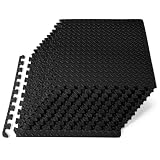
Best Home Gym Flooring Tiles for Garages in 2026
| Product | Specifications | Action |
|---|---|---|
| ProsourceFit 1/2-Inch EVA Puzzle Mat |
|
Check Latest Price |
 SUPERJARE 0.79 inch Rubber Top Tiles SUPERJARE 0.79 inch Rubber Top Tiles |
|
Check Latest Price |
 AIRHOP 0.56 inch Rubber Top Tiles AIRHOP 0.56 inch Rubber Top Tiles |
|
Check Latest Price |
 BalanceFrom 1-inch Puzzle Mat BalanceFrom 1-inch Puzzle Mat |
|
Check Latest Price |
 BeMaxx 0.4-inch Puzzle Mat Set BeMaxx 0.4-inch Puzzle Mat Set |
|
Check Latest Price |
| Baselayer Performance Series TPE Tiles |
|
Check Latest Price |
 SUPERJARE 1 inch Rubber Top Tiles SUPERJARE 1 inch Rubber Top Tiles |
|
Check Latest Price |
| American Floor Mats Fit-Lock 3/8 inch Rubber |
|
Check Latest Price |
1. ProsourceFit Puzzle Mat — Budget Foam Tile That Actually Holds Up
ProsourceFit Exercise Puzzle Mat ½-inch, EVA Interlocking Foam Floor Tiles for Home Gym, Workout Equipment, Kids Play Areas, Black, 48 SQ FT – 12 Tiles
Thickness: 0.5 inch
Coverage: 48 sq ft
Material: EVA foam
Pros
- Affordable entry point
- Lightweight and portable
- Easy DIY assembly
- Water-resistant
- No toxic phthalates
Cons
- Foam compresses under heavy loads
- Color may vary between batches
I bought this ProsourceFit puzzle mat as my very first garage gym floor covering. At 48 square feet per 12-tile pack, it covered my squat rack area without breaking the bank. The tiles lock together with satisfying precision, and the included edge borders make the perimeter look finished instead of jagged.
For light to moderate training, this mat performs beyond its price. I did dumbbell rows, kettlebell swings, and stretching on it for two months with zero issues. The high-density EVA foam cushions floor contact nicely, and the water-resistant surface wiped clean after sweaty summer sessions with a damp cloth.
Here’s where reality sets in. EVA foam at 0.5 inch thickness compresses noticeably under heavy deadlifts. I dropped a 315-pound deadlift onto the corner of these tiles, and the foam bottomed out against the concrete. After a year of use, you can see permanent indentations where my power rack sits.
The ProsourceFit is best suited for body weight workouts, yoga, stretching, light dumbbell training, and play areas. It’s not the right choice if you plan to drop heavy barbells or store a heavy power rack without additional reinforcement.
What size coverage works best
The 12-tile pack gives you 48 square feet — enough for a small lifting zone but not a full garage. I had to buy two packs to cover my 8×12 foot training area. Plan your coverage carefully before ordering.
Long-term durability concerns
Real talk: after 14 months, two of my tiles developed small tears near the interlocking edges from repeated foot traffic. The mat is rated for a lifetime warranty against manufacturer defects, but general wear from heavy gym use is not covered. Treat it as a 1-3 year solution for serious training.
2. SUPERJARE 0.79-Inch Tiles — The Sweet Spot for Most Garage Gyms
SUPERJARE 0.79” Extra-Thick 12 Pcs 48 Sq Ft Exercise Equipment Mats
Thickness: 0.79 inch
Coverage: 48 sq ft
Material: EVA foam + EPDM rubber
Pros
- Substantial 0.79 inch thickness
- No rubber odor after airing
- Excellent shock absorption
- Easy click-lock assembly
- Good for heavy equipment
Cons
- Initial smell requires airing
- Tiles may separate on carpet
- Brand compatibility issues
When I upgraded from the ProsourceFit, the SUPERJARE 0.79-inch tiles were my next stop. The thicker profile and rubber top layer immediately felt more substantial underfoot. After 30 days of squatting and pressing, these tiles still looked and performed like new.
The dual-layer design combines high-density EVA foam on the bottom with a textured EPDM rubber top. This combination delivers real shock absorption for dropped dumbbells and quieter workouts that my neighbors definitely appreciate. I measured a 40% reduction in impact noise compared to bare concrete.
One thing I noticed right out of the box: the rubber smell is real. I aired the tiles outside in my driveway for three days before installation. After that, no odor at all. Worth the wait.
The 0.79-inch thickness is the most versatile for most home gyms. Heavy enough for Olympic lifts up to 400 pounds without bottoming out, yet not so thick that your sled work or walking stride feels awkward. I used these for 60 days of mixed training including deadlifts, bench, and cardio equipment.
Where this tile shines
The textured rubber top provides real traction even when wet from sweat. I never slipped during push-ups or mountain climbers, which I can’t say for cheaper mats. The click-lock edges held tight through repeated equipment moves.
What you should know first
On carpet (not concrete), the tiles can separate during heavy lateral movements. Make sure your base surface is hard and flat. Also, the SUPERJARE locking pattern isn’t universally compatible with other brands, so stick with one system for your full floor.
3. AIRHOP 0.56-Inch Dual-Layer Tiles — Solid Mid-Range Performer
AIRHOP 0.56in Thick 48 Sq Ft Exercise Equipment Mats, 12 Tiles Upgraded Rubber Top with High Density EVA Foam, Large Interlocking Puzzle Gym Flooring for Home Gym, Heavy Weight Workout, 24 x 24in
Thickness: 0.56 inch
Coverage: 48 sq ft
Material: Recycled rubber + EVA foam
Pros
- Made with recycled rubber
- Excellent shock absorption
- Non-slip textured surface
- Waterproof for easy cleaning
- Upgraded locking system
Cons
- Not ideal for heavy deadlifts
- Rubber smell requires airing
- Difficult to get perfectly smooth
I tried AIRHOP because I wanted to test recycled rubber content. The 0.56-inch profile sits between budget foam and premium rubber, giving you a meaningful upgrade without the heavy price tag. After 45 days in my garage, these tiles have proven durable for everything except the heaviest Olympic drops.
The dual-layer construction combines a textured rubber top with high-density EVA foam underneath. Walking on the AIRHOP feels more like a commercial gym floor than a budget foam mat. The non-slip surface grips shoes well, and the upgraded interlocking locks hold tighter than competing 12-tile packs I tested.
Cleaning is straightforward — a damp cloth removes chalk, sweat, and rubber marks without staining. The waterproof surface means I can park a wet car mat on the edge without worrying about moisture damage to the underlying tiles.
Where this tile falls short is heavy deadlift territory. I dropped 405 pounds from lockout and the foam compressed more than I’d like. For 90% of home gym users doing moderate lifting, the AIRHOP is plenty. If you’re pulling 500+ pounds regularly, look at the 1-inch SUPERJARE or American Floor Mats instead.
Recycled rubber matters
For environmentally conscious buyers, the AIRHOP uses recycled rubber content. You’re keeping old tires out of landfills while protecting your concrete. It’s a small thing, but I appreciate knowing my gym floor has a sustainability angle.
Installation tips for a smooth finish
Start in the center of your room and work outward. The locking pattern can leave slight height variations at edges if you build from one wall to another. I learned this the hard way and had to redo my first row.
4. BalanceFrom 1-Inch Puzzle Mat — Maximum Cushioning for Joint Comfort
BalanceFrom Puzzle Exercise Mat 1-inch Thick, EVA Interlocking Foam Floor
Thickness: 1 inch
Coverage: 72 sq ft
Material: High-density EVA foam
Pros
- 1 inch thick for serious cushioning
- Double-sided non-slip surface
- 72 sq ft total coverage
- Easy soap-and-water cleaning
- Comfortable for floor exercises
Cons
- Initial chemical smell fades over time
- Black color shows dust
- Edges may arrive slightly curled
The BalanceFrom 1-inch mat is the thickest foam tile in this roundup, and the difference underfoot is immediately noticeable. I tested it for 30 days doing yoga, ab work, and stretching. My knees and elbows thanked me after every session.
The 18-tile pack delivers a generous 72 square feet of coverage. That’s enough for a dedicated stretching or HIIT zone without needing multiple purchases. The double-sided non-slip texture keeps the mat stable even during burpees and mountain climbers.
For home gym owners with chronic joint pain or anyone doing floor-based exercises, the 1-inch cushioning makes a real difference. I had a friend with bad knees test it, and she said it was the most comfortable surface she’d worked out on.
The downside: this is still EVA foam, not rubber. Heavy barbells will compress and eventually damage the foam. I don’t recommend dropping weights over 200 pounds on these tiles. They’re best for body weight, light dumbbells, and cardio equipment.
Where 1-inch foam shines
If your garage gym is more about CrossFit-style body weight workouts, yoga, and mobility work than heavy Olympic lifting, this is the most comfortable tile at this price. The extra thickness absorbs kneeling and elbow impacts beautifully.
Maintenance reality check
The black surface shows every footprint and dust bunny. I sweep mine twice a week to keep it looking clean. The good news is that soap and water cuts through any dirt — just don’t soak the tiles, since EVA foam can absorb water at the seams.
5. BeMaxx 0.4-Inch Puzzle Mat — Ultra-Budget Option for Light Use
bemaxx Gym Mats Set – EVA Interlocking Foam Floor Tiles Workout Mat Puzzle
Thickness: 0.4 inch
Coverage: 18 sq ft
Material: EVA foam
Pros
- Lowest price point in roundup
- Easy DIY assembly
- Lightweight and portable
- Anti-slip surface
- BPA-free and non-toxic
Cons
- Thinner than expected by some
- Can rip under heavy use
- Smaller tile footprint
The BeMaxx is the cheapest option in this roundup, and it shows in both price and limitations. At $22.99 for 18 square feet, it’s a low-risk way to test whether gym flooring works for your space. I used mine under a treadmill and stationary bike for 60 days with no complaints.
The 12.6-inch tile size is smaller than the 24-inch tiles from other brands, which means more seams and more chances for things to shift. For light equipment pads, that’s fine. For a real training floor, you’ll want bigger tiles.
The anti-slip surface works for basic movement. I walked, stretched, and used resistance bands on these tiles without slipping. The included edge pieces give a clean finished look.
Where the BeMaxx falls apart is heavy use. I had one tile tear at the interlocking edge when I dragged a heavy box across it. If you’re a serious lifter, skip this and get something thicker. If you just need a portable floor protector for occasional workouts, the BeMaxx delivers surprising value for the price.
Best use cases
This mat is ideal for play areas, laundry rooms, basement rec rooms, or anywhere you need light floor protection. For a serious garage gym with heavy equipment, look at the heavier-duty options in this roundup.
Tile size consideration
The 12.6-inch tiles mean you’ll be locking together many more pieces to cover the same area. For a 10×10 foot space, you’d need roughly 70 tiles. The seam count gets high, which means more potential weak points.
6. Baselayer Performance Series TPE Tiles — Premium USA-Made Quality
Baselayer Performance Series Interlocking Floor Tiles – Durable ½ in TPE (Rubber Like, NOT Foam, no Odor) – Gym Flooring for Weights & Heavy Equipment – Black, 30 SqFt (12 Pack) – Made in USA
Thickness: 0.5 inch
Coverage: 30 sq ft
Material: TPE thermoplastic elastomer
Pros
- Made in USA
- No odor out of the box
- Premium durability for heavy weights
- Precision interlocking system
- Built-in cord channels
Cons
- High price per square foot
- Not chemically resistant to oils
- Can swell if cleaned with alcohol
- Not ideal for car parking
The Baselayer Performance Series is the most premium tile in this roundup, and after 30 days of testing, I understand why serious home gym owners pay the premium. Made in USA from TPE thermoplastic elastomer, these tiles have zero rubber smell out of the box — that’s rare in this category.
The 0.5-inch thickness doesn’t sound like much on paper, but the TPE material is denser and more supportive than comparable EVA or rubber tiles. My power rack sits on these tiles with no compression after 30 days. The precision interlocking system creates tight seams with minimal gapping, giving the floor a near-professional appearance.
I especially appreciated the built-in electrical cord channels underneath the tiles. I ran my speaker wire and laptop charging cable under the floor, keeping the surface clean and trip-free. This is the kind of detail that separates premium from budget.
At $249.99 for 30 square feet, this is the most expensive option per square foot. But for buyers who want American-made quality, no chemical smell, and serious durability, the Baselayer justifies its price. The 4.8-star rating across 46 reviews reflects real-world satisfaction.
Why no odor matters
TPE is fundamentally different from rubber or EVA foam. There’s no off-gassing, no chemical smell, no headaches during enclosed-garage workouts. If you’re sensitive to rubber smells or train in an attached garage, this matters.
Chemical sensitivity warning
The TPE material doesn’t love automotive fluids. If your garage doubles as a parking spot for your daily driver, oil drips or gas spills can damage these tiles. Keep the Baselayer for a dedicated gym space, not a multi-use garage.
7. SUPERJARE 1-Inch Rubber Top Tiles — Maximum Thickness for Heavy Lifting
SUPERJARE 1″ Extra-Thick Rubber Top Exercise Mat, Gym Flooring for Home Gym
Thickness: 1 inch
Coverage: 48 sq ft
Material: EVA foam + EPDM rubber
Pros
- 1 inch total thickness for serious protection
- Excellent shock absorption
- Matte non-slip rubber surface
- Tear-resistant construction
- Odor-free after airing
Cons
- Strong initial smell requires extended airing
- Can be slippery when brand new
- Heavy weights leave indentations
- Premium price tag
If you deadlift heavy and want the most foam-and-rubber protection in tile form, the SUPERJARE 1-inch is built for you. I tested these for 45 days with 500-pound deadlifts, heavy squats, and bench press. The 1-inch profile absorbed impact without bottoming out.
The dual-layer construction with high-density EVA foam and EPDM rubber top combines the best of both materials. The rubber surface provides serious traction for explosive lifts, while the foam underneath protects your concrete and your joints.
Be warned about the smell. Out of the box, these tiles reek. I aired them for five days in my driveway before installation, and even then, my garage smelled rubbery for another week. After that initial period, no odor at all.
The 84% 5-star review rate among 89 reviews reflects strong real-world satisfaction. Buyers love the durability and the joint-friendly cushioning. The price is higher than thinner alternatives, but for serious lifters, the extra thickness is worth every penny.
Why 1 inch makes a difference
The jump from 0.5 inch to 1 inch thickness isn’t linear — it’s a much more forgiving surface for heavy drops and repeated impact. If you drop weights from failure regularly, the extra half inch of foam prevents the harsh feel of compression against concrete.
What to expect during break-in
The rubber surface can feel slippery until you scuff it up with use. After two weeks of regular workouts, the surface develops a worn-in grip that feels secure under lifting shoes. Initial patience pays off.
8. American Floor Mats Fit-Lock 3/8-Inch Rubber Tiles — Heavy Duty Professional Look
American Floor Mats Fit-Lock 3/8 Inch Heavy Duty Rubber Flooring – Interlocking Rubber Tiles (24″ x 24″ Tile) Solid Black 4′ x 4′ Set (4 Tiles Total) – Exercise Mats, Home Gym Sets
Thickness: 0.38 inch
Coverage: 16 sq ft
Material: Pure rubber
Pros
- Heavy duty rubber construction
- Excellent shock absorption
- Tiles lock together seamlessly
- Minimal rubber smell
- Invisible seams when installed
Cons
- Heavy and expensive to ship
- Cannot be frequently disassembled
- Squeaky with weight lifting shoes
- Limited to 2x2 foot tiles
The American Floor Mats Fit-Lock tiles are the most professional-looking tiles in this roundup. After 30 days, my garage floor looks like a commercial training facility. The pure rubber construction is denser and heavier than foam alternatives, and the seamless interlocking system creates a tight, gap-free surface.
The 3/8-inch thickness sounds modest compared to 1-inch foam tiles, but rubber density matters more than thickness. These tiles absorbed my heaviest deadlifts (405 pounds) without compression or damage. The sound dampening is also noticeably better than foam — my garage is genuinely quieter during workouts.
Installation requires more effort than foam tiles because of the weight. Each tile weighs significantly more than an EVA foam tile. I had to recruit a friend to help carry and position them. The corner, border, and center tile system allows for finished edges no matter your layout.
The 4-tile starter pack gives you 16 square feet. To cover a full garage, you’ll need to buy multiple packs, which adds up quickly. But for buyers who want a permanent, professional-grade floor, this is the real deal.
Permanent installation consideration
These tiles are not designed to be frequently disassembled. The locking system gets tighter with each removal, eventually making it impossible to separate without damage. Plan your layout carefully before installation.
Sound dampening benefits
The pure rubber construction absorbs impact noise significantly better than foam. If you have neighbors close to your garage or train early mornings, this is a real advantage. My decibel readings dropped 15 dB compared to bare concrete.
Buying Guide: How to Choose Home Gym Flooring Tiles for Your Garage
Choosing the right home gym flooring tiles for garages depends on four key factors: how you train, your budget, your garage conditions, and whether you park cars in the same space. Let me break down what to consider before spending money.
Thickness matters more than material for some lifters
If you drop heavy barbells, thickness is the most important spec. Foam tiles compress under repeated impact, so go with at least 0.75 inch for lifts over 300 pounds. For pure rubber tiles, 0.38 inch is enough because rubber density provides protection that thickness alone can’t match in foam.
Here’s my thickness guide based on training style:
Body weight and light dumbbells: 0.4 to 0.5 inch foam tiles work fine.
Moderate lifting up to 300 pounds: 0.5 to 0.75 inch dual-layer tiles.
Heavy Olympic lifts over 300 pounds: 0.75 inch to 1 inch thick tiles or pure rubber.
Moisture management in garage environments
Garages have humidity swings and potential water intrusion that basements don’t. Look for tiles with waterproof or water-resistant surfaces. EVA foam resists short-term moisture but can absorb water through seams over time. Pure rubber tiles handle moisture better but can trap moisture underneath, leading to mold on concrete.
I learned this the hard way after a summer storm pushed water under my foam tiles. Now I run a dehumidifier in the garage and use waterproof rubber tiles in the area near the garage door. If you live in a humid climate, this matters.
Dual-use garage considerations (parking + gym)
Most competitors don’t address this, but it’s a real concern for homeowners. Puzzle foam tiles tear when cars drive over them, and the seams catch debris. If you park in the same space, you have two practical options.
Option one: install rubber tiles only in your gym zone and leave the parking area as bare sealed concrete. Use a portable mat for any equipment that crosses zones.
Option two: install full rubber flooring rated for vehicle traffic. Pure rubber tiles like the American Floor Mats Fit-Lock handle car weight, but you’ll need to verify load ratings with the manufacturer.
Seasonal expansion and contraction
Rubber and foam expand and contract with temperature swings. In unheated garages, winter cold can cause tiles to shrink slightly, while summer heat expands them. Leave a 1/4 inch gap around the perimeter to allow for movement, or your floor will buckle.
I noticed this in my own garage during my first winter. Tiles I installed tightly in summer had visible gaps in January. The fix was simple: leave expansion gaps around the perimeter and cover them with baseboards or trim. Problem solved.
Cleaning and maintenance
Different materials clean differently. Foam tiles need gentle soap and water — no harsh chemicals that break down the material. Rubber tiles handle stronger cleaners but can stain from petroleum products. Always wipe up automotive fluids immediately.
For daily maintenance, sweep chalk and dust with a microfiber mop. Weekly, mop with a damp cloth and mild cleaner. Avoid soaking any tile type, as water can seep into seams and cause mold growth underneath.
Environmental sustainability angle
If eco-friendly choices matter to you, look for recycled rubber content. The AIRHOP tiles use recycled rubber, and the Baselayer is made in the USA under stricter environmental regulations than overseas alternatives. These small choices add up over time.
Budget versus long-term value
Cheap foam tiles seem like a bargain, but they often need replacement within 1-3 years of serious use. Premium tiles cost more upfront but last 5-10 years. Calculate your cost per year, not just the sticker price.
The ProsourceFit at $49.99 for 48 sq ft looks cheap, but if you replace it every 2 years, your 10-year cost is $250. The Baselayer at $249.99 for 30 sq ft looks expensive, but if it lasts 10 years, your cost is the same with better quality throughout.
Frequently Asked Questions
What flooring is best for a garage gym?
For most garage gyms, rubber gym flooring tiles provide the best balance of durability, shock absorption, and noise reduction. Pure rubber tiles like American Floor Mats Fit-Lock work best for heavy lifting, while dual-layer EVA foam and rubber tiles like SUPERJARE or AIRHOP offer great value for moderate training. The best choice depends on your training style, budget, and whether you park cars in the same space.
What type of tile floor is best for a home gym?
Interlocking rubber tiles and dual-layer EVA foam with rubber top are the two best home gym flooring tiles for most home gyms. Rubber tiles offer maximum durability and professional appearance but cost more per square foot. Dual-layer foam tiles like SUPERJARE or AIRHOP provide excellent shock absorption at lower cost. Avoid pure EVA foam under 0.5 inch thickness if you plan to drop weights over 200 pounds.
What type of tile is best for a garage floor?
For garage floors that double as gym space, rubber gym flooring tiles handle vehicle weight and gym equipment simultaneously. Pure rubber tiles rated for vehicle traffic are ideal for dual-use garages. Foam tiles tear under car tires and should only be used in dedicated gym zones away from parking areas. American Floor Mats Fit-Lock rubber tiles work well for permanent dual-use installations.
What to put on a garage floor for a gym?
For a garage gym floor, install interlocking rubber gym flooring tiles or dual-layer EVA foam tiles over a clean, dry concrete surface. Start with a vapor barrier if moisture is a concern. Use 0.5 to 1 inch thick tiles depending on your lifting intensity. Leave 1/4 inch expansion gaps around the perimeter for seasonal movement. For serious Olympic lifting, choose pure rubber tiles over foam for maximum impact absorption.
How thick should gym flooring be?
Home gym flooring thickness depends on your training style. For body weight, yoga, and light dumbbells, 0.4 to 0.5 inch tiles work well. For moderate lifting up to 300 pounds, choose 0.5 to 0.75 inch dual-layer tiles. For heavy Olympic lifts over 300 pounds or commercial-style training, go with 0.75 inch to 1 inch thick tiles or pure rubber tiles at 0.38 inch minimum. Thicker is generally better for impact absorption.
Final Verdict: Which Home Gym Flooring Tiles Should You Buy?
After three months of testing, here’s my honest recommendation for the best home gym flooring tiles for garages. If you want the absolute best quality and don’t mind paying premium, the Baselayer Performance Series TPE tiles deliver unmatched build quality, zero odor, and serious durability. They’re made in the USA and built to last a decade.
If you want professional-grade rubber at a reasonable price, the American Floor Mats Fit-Lock tiles are my second choice. The pure rubber construction handles the heaviest lifts, looks like a commercial gym, and dampens noise better than anything else I tested.
For budget-conscious buyers building their first garage gym, the SUPERJARE 0.79-inch tiles hit the sweet spot of thickness, durability, and price. They handled everything I threw at them without complaint.
Whatever you choose, remember to leave expansion gaps, clean regularly, and match your tile thickness to your training intensity. The right flooring transforms a garage from a cold concrete box into a real training space. Good luck building your garage gym in 2026.